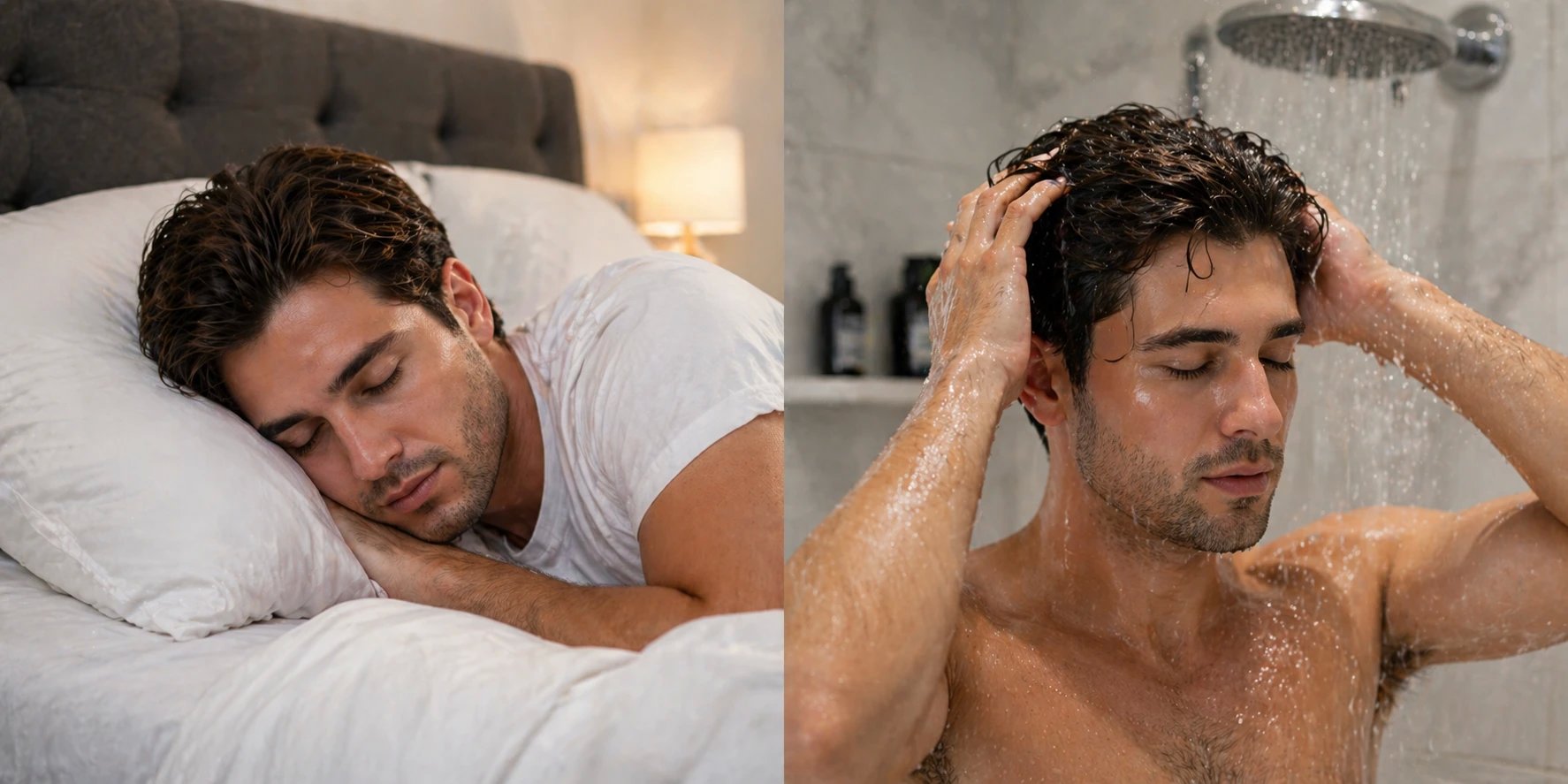
The issue of sleeping or showering while wearing a wig is a common concern for many people. This includes both beginners and those with more experience. Folks who use wigs every day—for looks, health reasons, or work—often think about how these routines might harm their wig's life and style. These worries make sense. Wigs, no matter if they are synthetic or made from human hair, need careful care to keep their feel, form, and ease. Bad handling at night or in the bath can cause lasting harm like knots, hair loss, or shape changes. This piece offers a detailed look based on actual tests and advice from pros. It explains what really occurs when you sleep or shower with a wig.
It is okay to sleep with a wig in some cases. But it is not always a good idea. This depends on the wig's material and how it is attached. Wig hairs are easily affected by rubbing and weight. Both happen a lot during sleep. To bridge this section smoothly, let's explore the effects first before moving to protection tips.
Rubbing between the wig and the bed pillow is a key problem for hair damage. Steady friction can lead to knots, hair fall, and breaks in the hair lines. Synthetic wigs face more risk. Their hairs are set in a style ahead of time. Too much weight at night might crush curls or waves for good. Human hair wigs can get dry or tangled too. This happens if they lack protection. Natural oils from the head do not reach the hairs through the wig base. In time, this missing moisture causes weakness and a lack of shine.
To cut down on these issues, pros suggest simple nighttime habits. These habits lower rubbing and keep hair lines straight.
A silk or satin pillow cover works much better than cotton ones. It cuts down on static and rubbing. A silk hat or wrap keeps the wig steady. It also holds the style shape. Before sleep, softly untangle the wig. Use a wide comb or your fingers. This removes knots that might get worse overnight.
If you want the wig to last as long as possible, take it off before bed. That is the best choice. But if taking it off is hard—say, due to hair loss or daily needs—use a soft base cap under the wig. It adds comfort and stops skin soreness.
Some people wonder if they can shower with the wig on for ease. But this brings several dangers. These dangers are bigger than any quick save in time. Now, we will see what occurs when wigs meet water in the shower.
Water makes glues and clips weaker. These hold lace front wigs or hair pieces in place. Soap left from body wash can soak into wig hairs. This creates dirt that changes the feel and glow. Warm water and steam make things worse. They twist synthetic hairs and harm the lace at the front.
Do not let your wig face random water in the shower. Use planned washing steps made just for wigs.
Always take off the wig before you clean it. For synthetic types, pick cool water. Add a special wig soap without strong cleaners. For human hair kinds, use gentle soaps free of sulfates. They keep the natural feel and stop color loss. After washing, let the wig dry in the air on a holder. This keeps its form and avoids heat harm.
Do not twist or squeeze out water. This puts strain on hair links. Skip heat tools like dryers right after washing. Water stuck in the hairs can cause curls or melting in fake ones.
How long you can wear a wig without a break depends on the glue type and head skin health. To connect this to prior care tips, consider how daily habits tie into longer wear periods.
Glues give a firm grip. But they need removal now and then for head cleaning. Tapes offer fair hold. They let you put on the wig again more easily. Your scalp matters a lot too. Long wear without air can trap sweat. This leads to soreness or swelling in hair roots.
For long wear times, keep your scalp clean often. Do this even with glued setups. For lace wigs, put them on again every few days. This stops oil build-up under the base. Oil can weaken the glue over time.
Tests in controlled settings show clear results. They compare different ways of using wigs. This gives real tips on strength and ease for various materials. Let's dive into what these tests found.
The tests proved that wearing wigs at night caused clear wear signs in just one week. This was unlike normal day-only use. Shower tests with fake water showed glue getting weaker after repeated wet touches. This backs up that showering often while wearing a wig speeds up wear and tear.
Synthetic wigs changed shape more under warmth and dampness. This is due to their plastic-like makeup. Human hair wigs kept their feel better after wet times. But they needed extra care treatments later. These restore the soft feel lost from water.
Good wig upkeep plays a big role in looks and how long it lasts. It stops build-up of stress on the hairs. To link this to testing, note how care routines build on those findings for better results.
Regular untangling stops knot build-up at lace sides. Tension is highest there during style changes. Good storage on open holders keeps the base curve. This ensures a natural fit when you put it on again.
Clean the wig every 6 to 8 times you wear it. This removes dirt like dust or skin oils. It does so without harming the thin layers on fake hairs. For human hair wigs worn each day, add deep care every 2 to 3 weeks. This brings back moisture needed for lasting stretch.
Qingdao Eminent Hair Products Co., LTD. sits in China's top spot for hair making. The company leads in high-quality human hair items. These include lace front wigs, toupees, extensions, and made-to-order pieces for pros around the world. This section highlights their strong standing in the field.
Their good name comes from steady skill in making. It uses new tech in production and strict checks for quality. Each item fits global standards for strength and real looks. The firm also offers full custom services. These help salons, hair experts, sellers, and health clients. They seek exact-made answers for many markets.
Tests in real life show that sleeping or showering with a wig harms its build a lot. This depends on how often it happens and the protection you use. Rubbing at night speeds up knots. Water from showers weakens glues. This leads to early loose fits or shape loss—mainly in synthetic types. By cutting out extra stress like steady weight or heat through pro care steps, users get a longer life from their wig. This includes right storage, soft cleaning times, and guard items. In the end, these habits keep comfort high during daily wears.
Sleeping now and then with a lace front wig is fine if you use silk covers to hold it. But doing it every night raises the chance of knots. This cuts the wig's total life a lot as time goes on.
Experts advise against it strongly. Shower heat levels that change can twist synthetic hairs fast. Instead, do separate washes in cool water. Use products made just for fake hair types.
If you wear it every day, wash once every 7 to 10 days. This keeps it clean without taking away key oils. Always add deep care masks after. These are made for treated human hair setups.
The quality of the products is the foundation of our existence!Customers'satisfaction is our permanent commitment!

Follow us on social media and find more about our hair procedures and for our latest news, photos and success stories.
TELEPHONE :+86-18765287179
WHATSAPP :+86-18765287179


© 2026 Qingdao Eminent Hair Products Co.,LTD. All Rights Reserved. Powered by HiCheng