Full lace wig parting is useful to a salon when the hair can be moved to the positions clients actually request and still give a convincing result there. Check a center part, the common side part and any deeper placement the salon intends to offer. Look at the way the lace, knot visibility and hair density change across those positions on the actual cap.
A center part can look clean on a stand while a deeper part reveals a change in density or a different cap feature. It helps to see both before committing to stock. When salon staff know how far a particular sample can be styled, they can book the fitting and plan the finish with more confidence.
Place the sample on a stand or fit it during a normal salon consultation. Start with its natural fall. Move a narrow section to the center and then to either side. Observe where the strands separate readily, where they spring back and how much styling it takes to make the new part sit comfortably.
Look at the part from the front and above, under lighting similar to the salon's mirror station. The line that shows from directly above may be barely visible at eye level. Take the same views on the next approved sample so the salon has a reference for the way each construction looks when worn.
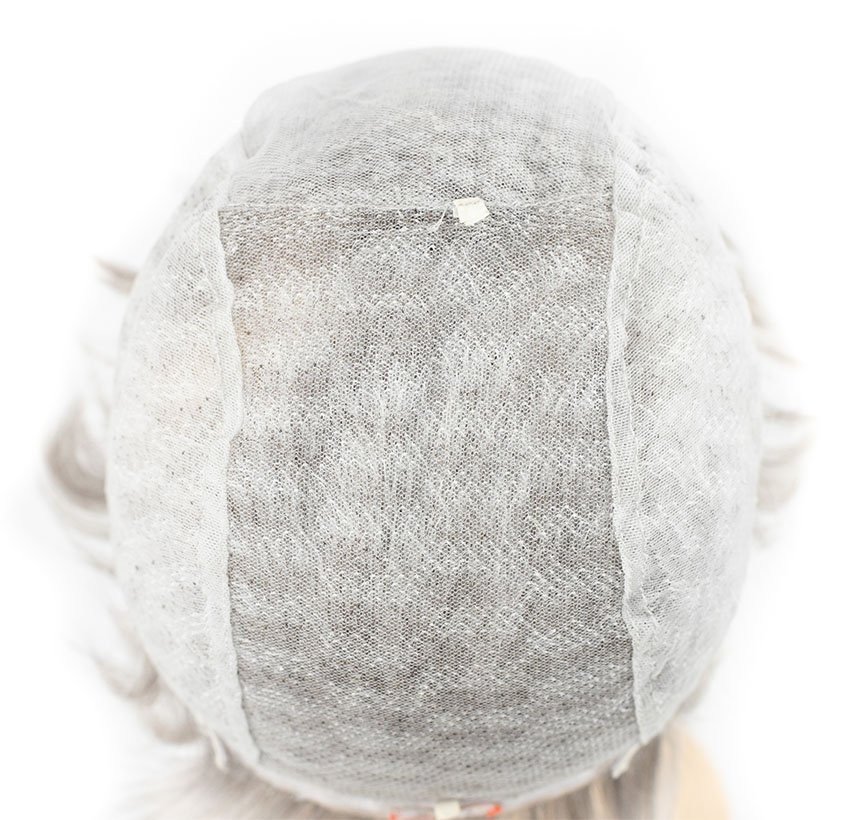
Eminent Hair's custom gray full lace women's wig illustrates a full lace design that can be reviewed for a customer-specific appearance. A gray blend gives the fitter another reason to move the part before approval. Strands of different shades may look more concentrated on one side after restyling. Judge the submitted sample with the planned color and finish.
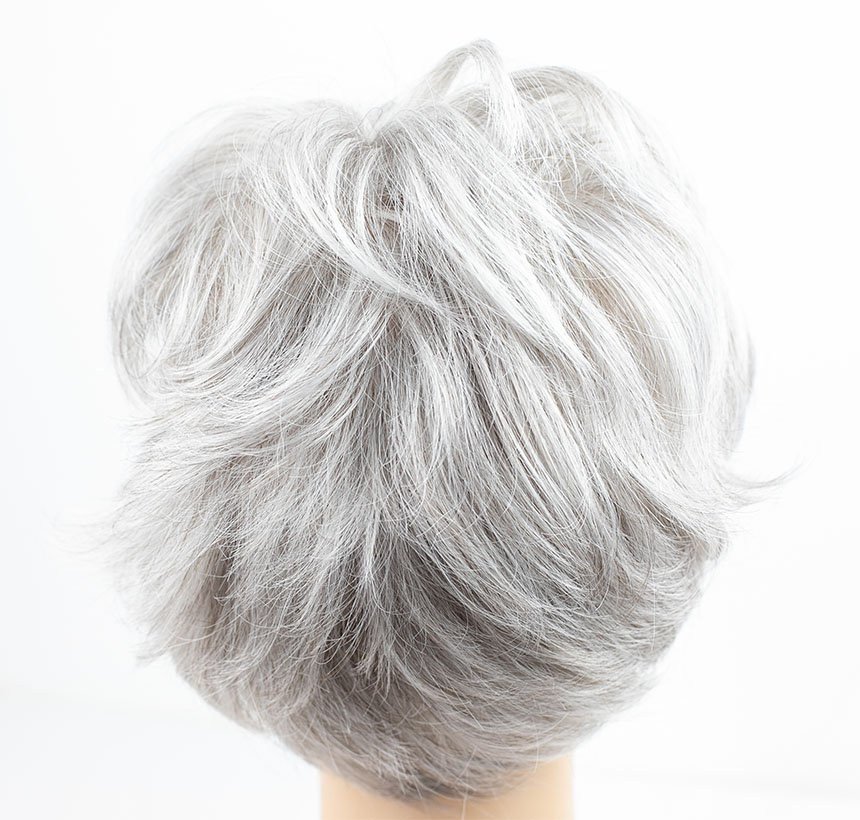
Look at the edges of the part and the amount of hair falling on each side. With a substantial side part, much of the hair may sit on one side of the head. The same density that gives a balanced shape with a center part may require more styling control after it is moved.
Also examine the hair just behind the intended hairline. A part can read as realistic farther back and look too wide or abrupt where it begins. Bring the approved fit and style photos to the sample discussion. A center section and a side section of the same wig may call for different visual judgments even when both are technically available.
Fit the cap using the salon's normal consultation method. Then make the part without changing how the wig sits. If the fitter has to pull the cap out of its intended position to achieve the style, record that separately. A wider parting area cannot resolve a fit problem by itself.
Compare it with a sample from Eminent Hair's collection of full wigs for women when deciding which constructions belong in routine stock. Ask which cap is supplied with each sample and what parting zone the construction supports. Some clients consistently wear one part and may prefer to evaluate the comfort and appearance of a different cap construction for that specific style.
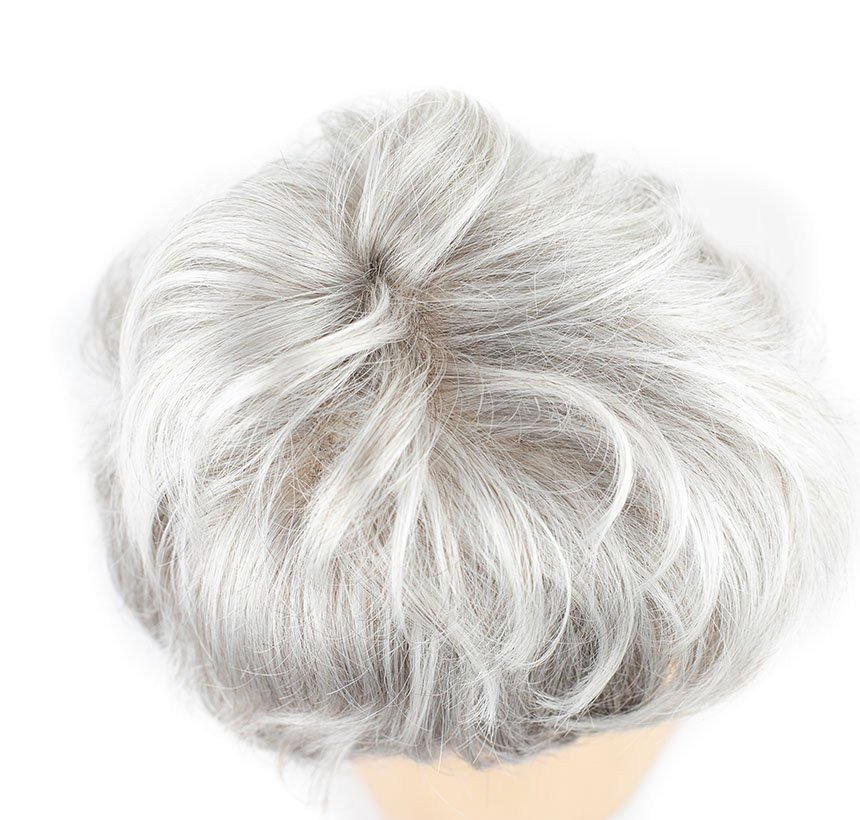
For each sample, retain a top view and front view of the part positions the salon plans to offer. Record which side was styled, how the cap was fitted and the color and density of the trial piece. A note about how the hair returned to its usual fall after handling is useful during the next fitting.
When stock arrives, compare one piece to the same style reference before unpacking the full order. Use an equivalent styling method so the comparison reflects how the wig was made. If a different cap or density is chosen for a client, give it its own sample record.
Have another stylist repeat the part using the fitting notes. If they reach a different result, photograph both and compare where the section begins. A small change in the start point may explain why a style looks consistent in the sample appointment and hard to reproduce later.
Approve full lace wig parting with the positions clients are likely to wear. Evaluate the appearance alongside cap fit and the effort required to style a new part. Share those positions and the sample photos with Eminent Hair's salon supply team to discuss an appropriate lace construction for stock or custom fitting.
A: Full lace construction can give greater flexibility, though the appearance can vary with the cap features, density and direction of the hair. Have the fitter test the positions that matter to the client. Check that each works with the wig sitting in its intended position on the head.
A: A top view helps show part width and how the hair separates. Add a front or three-quarter view because it shows what another person is likely to see at eye level. Use the same angles and similar lighting when comparing the next sample or a repeat order.
A: The result depends on hair direction, distribution and the client's intended style. Dense hair can make a deep side part look heavy on one side. Check for the amount of scalp effect the client prefers and how much styling is needed to keep each section in place.
A: It can help establish how the cap fits and how a particular part is made. A new hair color or length can change the final look and fall. Compare the most important combinations when the line will serve customers with markedly different styling preferences.
A: Describe where the part starts, how far it runs and which positions clients tend to request. Include a reference photo from above and one at eye level. Attach the cap size, hair color and density of the intended order to help make the next sample comparable.
The quality of the products is the foundation of our existence!Customers'satisfaction is our permanent commitment!

Follow us on social media and find more about our hair procedures and for our latest news, photos and success stories.
TELEPHONE :+86-18765287179
WHATSAPP :+86-18765287179


© 2026 Qingdao Eminent Hair Products Co.,LTD. All Rights Reserved. Powered by HiCheng