Choosing between a lace wig and a traditional wig is no longer a simple style preference. For many customers, it decides whether the hairline looks real in daylight, whether the scalp feels comfortable after eight hours, and whether the wig fits a busy routine without constant touch-ups. For brand owners and wholesale buyers, the same choice affects positioning, pricing, returns, and repeat orders.
This guide breaks down lace wig vs traditional wig differences using the details that matter in real use: cap construction, breathability, hairline realism, durability, and the kind of customer each option serves best.
Articles about wigs often use these terms loosely. In manufacturing and sourcing, the difference usually starts with the base and how hair is attached.
A lace wig uses lace at the hairline or across the full cap. Hair is ventilated through the lace with fine knots, creating the “hair growing from the scalp” effect that customers expect when they search what is a lace wig or natural hairline wig.
Two common categories show up in search and buyer inquiries: lace front wig and full lace wig. A lace front focuses lace at the hairline, while the back may use a wefted structure. Full lace uses lace across the cap, which usually allows more parting freedom and airflow.
A traditional wig often means a wefted cap construction, where hair is sewn into wefts and stitched in rows. The result is sturdy, faster to produce, and often easier for beginners to wear. Some traditional constructions can still look natural from a normal distance, but the hairline and part often require more design tricks to hide the base.
This difference in structure is why “wefted wig vs lace front” searches usually come from shoppers trying to balance price, realism, and comfort.
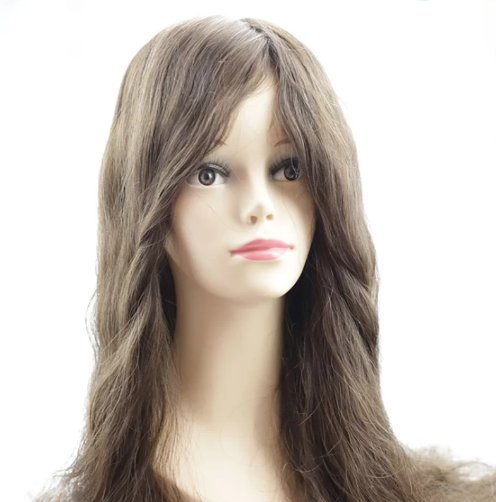
Most purchase decisions begin at the mirror. A lace front wig is designed to solve one specific problem: a believable front hairline. Lace can blend into skin and soften the transition at the forehead, which is why lace is regularly described as more natural-looking than regular caps in consumer guides.
Traditional wigs can still work well for everyday fashion wear, especially when the style includes bangs or forward layers. But when customers want to wear the hairline exposed, take close-up photos, or wear the hair pulled back, lace usually holds an advantage.
For B2B buyers, this is a positioning decision. If the product promise includes “undetectable,” lace is often the safer foundation. If the product promise is convenience and price, a traditional cap can be the better match.
Comfort is not an abstract selling point. It shows up in reviews, returns, and brand reputation. Many wig cap guides note that lace and other breathable constructions tend to feel lighter and cooler, while denser wefted constructions can feel warmer over long wear.
A practical way to frame this for customers is time. If a wearer needs a wig for a short event, warmth may not matter. If a wearer keeps it on for a full workday, breathability becomes a real requirement. Comfort-focused articles also highlight that breathable, lightweight caps and easy on/off designs often feel better for everyday use.
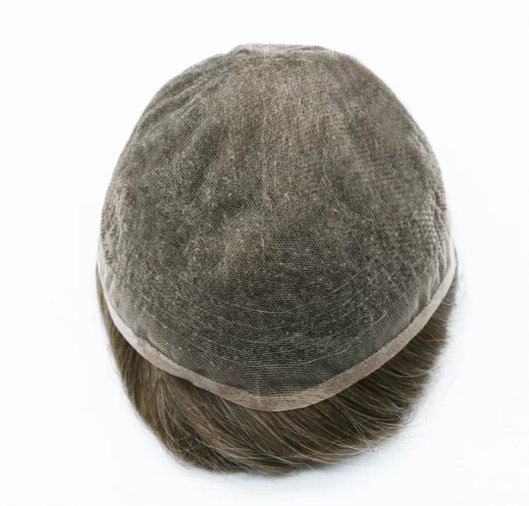
People searching lace front vs full lace are usually deciding how much flexibility they need, and how much they want to pay.
A lace front wig delivers the most visible benefit: a natural-looking hairline. The back is often wefted, which can improve durability and help control cost. Some guides note that wefted backs may reduce airflow compared to fully lace caps, which becomes noticeable on hot days or long wear.
This construction often fits the “daily wear, practical price” bracket. It also suits customers who mainly wear hair down but still want the option to expose the hairline.
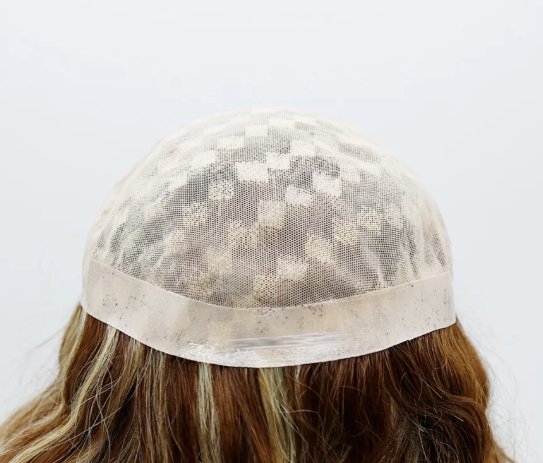
A full lace wig typically allows broader parting options and updos because lace covers the cap and hair can be ventilated across more of the surface. Many comparisons describe full lace as especially breathable due to the amount of lace in the structure.
The tradeoff is delicacy and cost. Full lace as more delicate than mixed-material caps and needing gentler handling.
For brand owners, the decision often becomes category planning: lace front for volume sales, and full lace as a higher-tier option for customers who prioritize styling flexibility.
A common misunderstanding is that “lace” automatically means fragile and “traditional” automatically means durable. In reality, durability depends on the base material, knotting technique, and daily care.
Cap construction guides often point out that lace needs gentle handling and proper care, while wefted constructions can tolerate more daily friction. That said, a well-made lace unit can still last well, especially if wearers follow routines that protect the lace edge and avoid aggressive brushing at the hairline.
For sourcing teams, knotting details matter because they affect both realism and shedding. The more natural-looking the knot and density at the front, the more convincing the hairline. The stronger the knot, the better the hold. Many buyers solve this by choosing construction that matches the end use: a lighter, more realistic hairline for beauty-focused customers, and stronger durability choices for long-wear users.
Another high-intent search trend is glueless lace wig. Many wearers want the lace look but do not want adhesives every day. Comfort content and buyer guides increasingly frame “easy wear” as a key factor, often listing glueless lace options as beginner-friendly for quick application.
Traditional wigs often feel simpler for first-time wearers because the cap is structured and designed to sit securely with minimal prep. Lace wigs can also be beginner-friendly when the cap fits correctly and includes practical support features, but shoppers often need clearer education on sizing, positioning, and securing methods.
The best-performing wigs usually win because they guide the buyers to a decision using concrete scenarios rather than broad claims.
A traditional wig often suits beginners who want an easy routine. It can be worn without learning hairline blending. A lace front wig can still be a strong first choice when the customer cares about realism and wants photos or video to look natural, but the content should address fit and basic placement clearly.
Comfort-driven shoppers often move toward breathable cap choices. Several cap construction guides highlight breathability and comfort as benefits of lace and similar constructions, especially for people who wear wigs often. For these buyers, consistent sizing and smooth finishing matter as much as the construction type.
Stylists care about predictable results and a realistic finish under bright lights. Lace fronts are common for transformations because the hairline looks natural. Full lace can serve clients who want more styling freedom. Traditional caps can still sell well in salon retail when the goal is fast, reliable coverage at a friendly price.
From a product strategy view, lace and traditional usually belong together. Lace captures higher-intent customers who pay for realism. Traditional caps broaden reach for price-sensitive buyers and can drive volume. Many brands structure a lineup with an entry tier (traditional), a core tier (lace front), and a premium tier (full lace).
Qingdao Eminent Hair Products Co., LTD is a professional manufacturer of hair products based in Qingdao, China, with an established production structure that includes around 50 factory workers and about 500 knotting workers.
The product scope covers men’s hairpieces, women’s wigs, and hair extensions, with the ability to customize base designs to buyer requirements and offer multiple hair origins and textures, including Remy hair and virgin hair options.
For custom production planning, typical lead times are commonly stated around 6–8 weeks, with rush schedules referenced around 4–5 weeks depending on the program needs and production arrangement.
This combination of customization capability and specialized knotting capacity is relevant for B2B buyers managing private label programs, wholesale replenishment, and repeat-order consistency.
The lace wig vs traditional wig decision is best made by matching cap construction to real customer priorities. Lace wigs win on hairline realism, breathability, and styling flexibility, especially in lace front and full lace formats. Traditional wigs win on structure, value, and beginner simplicity, often performing well for everyday retail lines and quick-turn inventory. When a brand builds clear use-case messaging and sets the right expectations on comfort and care, both categories can reduce returns and bring in better inquiries.
A lace wig uses lace at the hairline or across the cap with ventilated knots for a more natural hairline, while a traditional wig usually uses a wefted cap with rows of sewn hair for structure and value.
A lace front wig is often worth it when the wearer wants a realistic hairline and plans to expose the forehead or take close-up photos. A traditional wig can be the better choice when the priority is an easy routine and a lower price point.
Many cap construction comparisons describe full lace wigs as highly breathable because the lace structure allows more airflow, while denser wefted caps can feel warmer over long wear.
Lifespan depends on base material, knotting, and daily care. Lace can be more delicate and benefits from gentler handling, while wefted caps often tolerate rougher daily wear.
The quality of the products is the foundation of our existence!Customers'satisfaction is our permanent commitment!

Follow us on social media and find more about our hair procedures and for our latest news, photos and success stories.
TELEPHONE :+86-18765287179
WHATSAPP :+86-18765287179


© 2026 Qingdao Eminent Hair Products Co.,LTD. All Rights Reserved. Powered by HiCheng