The beauty and hair field has seen big growth. This is true in the wig and hair extension area. For B2B firms that want to build their own wig brand, a key step is to find the right partner for OEM or ODM production. This piece gives a full, step-by-step look at the whole OEM/ODM wig customization process. It starts from early design ideas and goes to the last packaging. It is vital for making sure your brand shines in a market that gets more crowded. At the same time, it meets top quality rules.
Before we jump into the customization process, it is key to know the gap between OEM and ODM.
· OEM (Original Equipment Manufacturer) means a setup where a firm designs a product. Then, it gets made by another firm. The end item might have the brand’s name or logo. But it is built on the client's details.
· ODM (Original Design Manufacturer), on the flip side, means a firm that designs and makes a product. This product gets sold under another firm’s brand. So, the maker not only builds the product. It also gives design thoughts.
For wig firms, the pick between OEM and ODM depends a lot on how much say you want in the design and making process. If you have a fresh idea or plan in mind, you might go for ODM. If you already have a solid design, OEM could be the better path.
The first move in the wig customization process is to set what the final product will look like. This covers picking the type of wig, the stuff used, and the design parts.
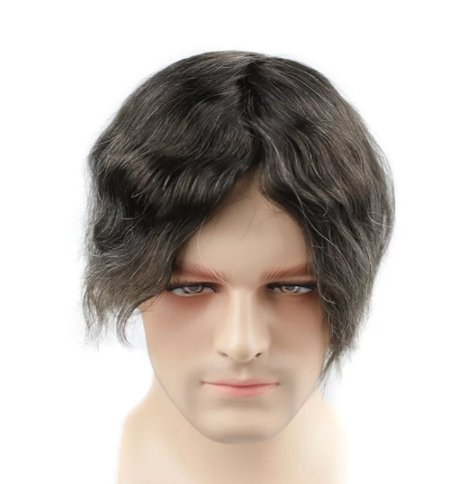
Wigs come in many forms. These include lace front wigs, full lace wigs, and u-part wigs, just to list a few. When you team up with an OEM/ODM maker, you need to say which style of wig you want to make. This means deciding on the shape, size, and fit to match your target buyers. It is critical to know what your market likes. And you must give clear rules here.
Picking the material is vital when you set your product. Good wigs are often made from 100% human hair, Remy hair, or virgin hair. These give a real look and feel. Synthetic wigs are cheaper. But they might not last as long or let you style them in many ways.
Your pick of material will hinge on your target buyers and the price you plan to set. A big point to think about is that human hair wigs need more care. But they last longer.
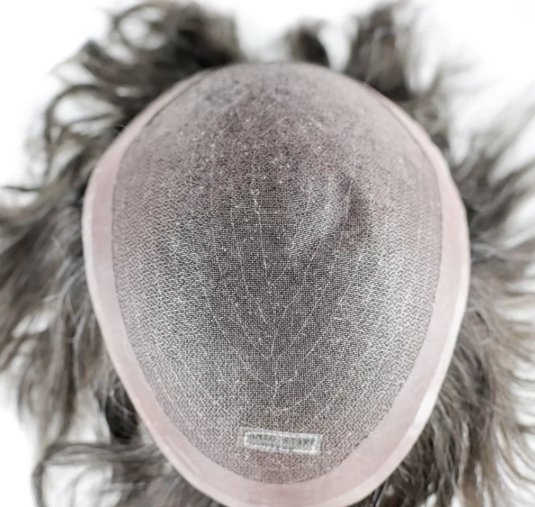
The build of the wig cap plays a big role in both comfort and fit. The stuff for the cap can include lace, silk, polyurethane, or mono. Lace front wigs are a common pick because they look real at the hairline.
If you work with a skilled maker, it will help you pick the right cap build. The best cap build makes sure the wig lets air in, feels good, and holds up well.
Once the details are set, the design stage starts. This covers picking the hair color, texture, length, and density. Makers often give many customization choices. These include:
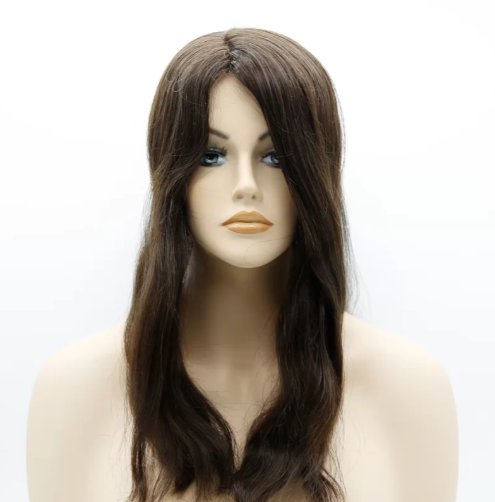
The color choices for wigs go from natural tones like black, brown, and blonde to bright ones like pink, purple, or blue. The texture can also be changed to make straight, wavy, curly, or kinky styles. It is key to offer many textures and colors. This way, you can meet different buyer likes.
Another customization choice is the length and density of the hair. Longer wigs often have more bulk. Shorter wigs may look more real and easier to handle. Density means how thick the hair is. Choices go from light to heavy density. High-density wigs are fuller. Light-density wigs give a more real, lighter look.
After you lock in the basic design, the next move is to pick the way to attach the hair to the wig. There are a few knotting ways for wig making:
Single knot wigs are less thick. They offer a more real look because the knots are tied at one spot. Double knotting gives more strength. It stops hair from falling out. But it may look a bit bulkier.
Hand-tied wefts give a more real and bendy look. The hair is knotted one by one by hand. But they cost more. Machine-tied wefts are cheaper and quicker to make. Yet, they might not have the same real move and feel as hand-tied wigs.
Branding is a key part of any business. Wigs are no different. In this step, you need to team up with your maker to set the packaging design. Custom packaging adds a touch of fancy. It boosts how people see your brand. This is where your own branding style shines.
The packaging should show the quality of the product inside. It should give a nice feel for your buyers. Whether it is a smooth box or a fancy pouch, the design of your packaging can help your product stand out from others.
Good labeling and branding help build your product's name. They make it easy for buyers to spot your brand. This covers adding your logo, firm name, and any key product info. This info can include the hair type, care steps, and where it comes from.
Before the big making run starts, it is key to do quality checks. These checks make sure the wigs meet your details and quality rules. Quality checks may cover looking at the color, texture, fit, and strength of the wigs.
Once all parts of making are set, the building process begins. For big orders, making may take a few weeks. This depends on how hard the design is and how many you need.
At Qingdao Eminent Hair Products Co., LTD, we focus on making good wigs with new making ways. Our team works with clients to design and make wigs that fit their needs. We make sure every product is built just right. Whether you want human hair wigs, lace front wigs, or custom plans, we have the skills to make your idea real.
OEM and ODM wig customization can be tricky. But it is worth it. It lets firms make good, custom wigs for their target buyers. You can do this by clearly setting your product details. Work close with makers. And make sure quality checks happen all through the process. This way, your wig brand can do well in the tough world market.
OEM focuses on making based on a design the client already has. ODM offers both design and making help. This lets firms either make their own designs or team up with a maker who gives design tips.
Yes, both the texture (curly, straight, wavy) and color of the hair can be changed to fit your brand’s needs. This is one of the main perks of working with an OEM or ODM maker.
The making time depends on how complex the design is and how many you order. Often, it may take a few weeks to make a custom wig. This is true if it needs hand-tying or special changes.
Human hair is usually the best stuff for wigs. It gives a real look and feel. But synthetic hair can be a cheaper pick. Yet, it may not last as long or let you style it in many ways.
To make sure of quality, it is vital to do quality checks at each stage of making. Work with a trusted maker who has a good past of making fine wigs. And ask for samples before you go for a big order.
The quality of the products is the foundation of our existence!Customers'satisfaction is our permanent commitment!

Follow us on social media and find more about our hair procedures and for our latest news, photos and success stories.
TELEPHONE :+86-18765287179
WHATSAPP :+86-18765287179


© 2026 Qingdao Eminent Hair Products Co.,LTD. All Rights Reserved. Powered by HiCheng