People search for custom wig cost. They rarely look for just one number. They really want to know more. Why can two wigs that look similar online have very different prices? What details are worth the extra money? How can they avoid spending too much on the wrong piece?
This is why a useful pricing guide needs to go beyond a simple range. A custom human hair wig is not priced like a basic ready-made item. The final quote usually shows hair quality, cap construction, length, density, craftsmanship, customization work, and production time. Salon buyers, distributors, and private buyers all benefit. Understanding those factors makes it a lot easier to compare offers and place an order with confidence.
A custom wig is built around choices. Even a small change in material or construction can shift the price in a visible way. That is why one quote may feel surprisingly low, while another looks much higher than expected.
Before looking at individual cost drivers, it helps to separate custom wigs from stock wigs. A stock wig is made in standard specifications and kept ready to ship. A custom wig is made to match specific needs such as cap size, base type, color, length, density, wave pattern, parting style, or hairline effect. More labor and more decision points usually mean a higher custom wig cost.
The first major factor is hair material. Human hair wig price is usually higher than synthetic alternatives because the hair looks more natural, feels softer, and gives more styling freedom. Within human hair, the grade and origin also matter. Cuticle direction, consistency, softness, and texture all affect the final cost.
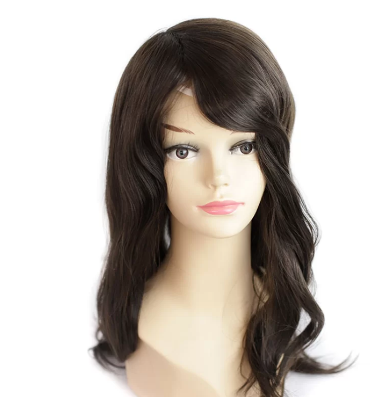
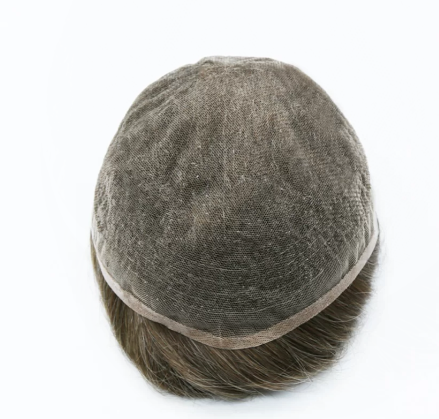
The second factor is cap construction. Lace, mono, silk top, skin, and hybrid caps do not cost the same to make. Some are lighter and more breathable. Some create a more realistic scalp look. Some take more time to knot by hand. That labor is part of the factory pricing breakdown.
The third factor is size and volume. A 10-inch wig with light density uses far less hair than a 24-inch wig with full density. Length raises material use quickly. Density does the same. Buyers often notice length first, but density can change the quote just as much.
The fourth factor is color and chemical work. Natural shades are usually easier to produce than highly customized colors, rooted tones, special highlights, or gray blending. Extra processing increases labor, time, and waste risk, so it often increases price.
The fifth factor is personalization. Precise measurements, special hairlines, medical-wig comfort requests, or blending work for toppers and integration pieces all add complexity. In custom manufacturing, complexity almost always adds cost.
Many buyers, especially first-time buyers, assume the quoted price mainly reflects the hair itself. In reality, the hair is only one part of the picture. The rest comes from skilled handwork, production planning, and quality control.
Looking at the cost in stages makes the quote easier to understand.
Cost factor | What affects price most | Typical impact on quote |
Hair material | Human hair type, softness, consistency, processing level | High |
Cap construction | Lace, mono, silk top, skin, hybrid design, hand-knotting time | High |
Length | Short, medium, long, extra long | Medium to high |
Density | Light, medium, full, extra full | Medium to high |
Color work | Standard shades, rooted shades, highlights, gray mix | Medium |
Custom details | Cap size, hairline, parting, texture match, special requests | Medium to high |
Lead time | Standard production or rush order | Medium |
This is why “how much does a custom wig cost” does not have one clean answer. A custom human hair wig made with a simple structure and standard color may stay within a moderate range. A piece with premium hair, longer length, high density, and advanced cap construction will naturally move up.
A factory-direct wig supplier can often offer better value than a long retail chain, but handwork still takes time. Knotted lace sections, ventilated parting areas, natural front hairlines, and detailed finishing all depend on skilled workers. That is especially true for pieces that need a realistic scalp effect or soft front transition.
For buyers, this matters because a low quote may mean less handwork, fewer custom choices, or lower material consistency. Price alone does not tell the full story. The better question is whether the quote matches the construction.
Not every customer wants the same thing. A salon owner buying for repeat clients, a distributor comparing wholesale wig price, and an individual customer looking for everyday wear all judge value differently. Still, some general patterns are useful.
Before comparing price bands, it helps to focus on what the wig is meant to do in real life. A daily-wear piece for long use has very different demands from an occasional fashion wig or a salon sample.
Price level | What buyers usually get | Best for |
Entry custom range | Standard customization, shorter length, simpler cap, fewer advanced details | First-time buyers, sample orders, light use |
Mid-range custom range | Better hair consistency, more cap options, stronger realism, more size and density choices | Daily wear, salon clients, growing brands |
Premium custom range | Advanced cap design, refined hairline, higher material consistency, deeper customization | Long-term wearers, demanding clients, private label quality focus |
A lower price is not always a bad sign. It may simply reflect shorter hair, standard density, or a less complex base. In the same way, a higher price does not automatically mean better value. The quote needs to match the intended use.
For example, a buyer sourcing women’s wigs for regular daily wear may place more value on cap comfort, natural movement, and color consistency than on very high density. A men’s hair replacement buyer may care more about front hairline realism, base choice, and attachment performance. The right construction keeps the quote sensible.
A common problem in the market is that buyers compare only the final number. That often leads to poor decisions because two wigs can share a similar product photo while being very different in structure.
The smarter approach is to compare quotes line by line.
Ask what hair type is being used and whether the texture and color are standard or customized. Ask which cap structure is included. Ask whether the front area is hand-knotted. Ask whether the density is measured consistently from top to ends. Ask what the lead time is. Ask what happens if the finished piece has a manufacturing defect.
These details matter because the cheapest custom wig cost can become expensive if the wig needs repair too soon, does not match the requested size, or arrives with the wrong density.
For B2B buyers, there are extra points to check. Ask whether the supplier supports low minimum order quantities, whether custom orders and stock orders can both be handled, and how communication works during production. Consistent follow-up saves time, especially when multiple client orders are being processed at once.
Not every upgrade is necessary. But some upgrades have a clear effect on wear, comfort, and appearance.
This is where search intent becomes practical. Many people searching human hair wig price are really asking which features make a real difference and which features are just expensive add-ons.
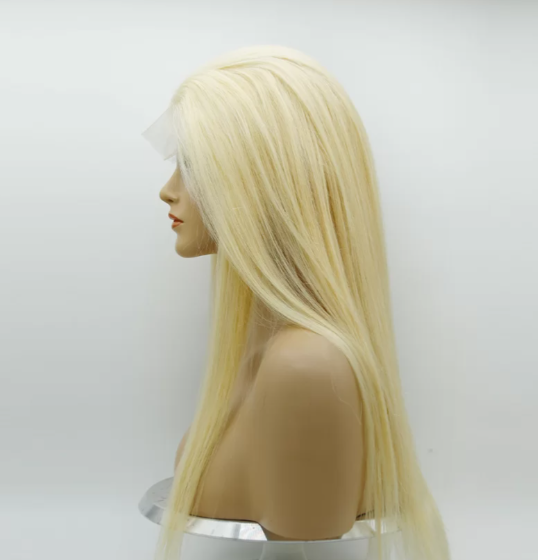
A better cap design is often worth paying for because it changes comfort every day. A more natural front area can also be worth the added cost for customers who wear the piece with the hairline exposed. Better hair quality usually pays off over time as well, especially for people who want softer movement and more styling options.
Longer length may be worth it for style goals, but it is not always the best place to spend more if comfort and realism matter more. The same goes for very heavy density. In many real-life cases, moderate density creates a more natural result and avoids unnecessary cost.
That is why a good factory pricing breakdown should not push every premium feature. It should help the buyer spend where it matters most.
For buyers comparing wig supplier options, background matters. Qingdao Eminent Hair Products Co., LTD presents itself as a professional hair product manufacturer in Qingdao with experience in custom and stock hair products for men and women. The company states that it can provide different base designs, multiple hair material options, and custom choices in length, color, and construction. It also presents both men’s and women’s product lines, customer review content, and direct inquiry channels for custom discussions.
This matters for buyers because a practical supplier is not only judged by catalog variety. What often matters more is whether the supplier can discuss specifications clearly. It should support both standard and custom orders. It needs to handle details such as size, color, quantity, and production timing. For salons, distributors, and private buyers, that kind of communication is often what turns an inquiry into a repeat order.
A realistic custom wig cost is shaped by materials, handwork, construction, customization, and lead time. That is why there is no universal quote that fits every buyer. A short, standard piece and a deeply customized human hair wig belong in different price conversations.
The best buying decision comes from understanding what the wig is meant to do. If the goal is daily wear, comfort and natural appearance usually deserve priority. If the goal is wholesale sourcing, consistency, communication, and production capability matter just as much as the number on the quote. In both cases, a clear factory pricing breakdown makes it easier to avoid overpaying, underbuying, or choosing the wrong supplier.
A custom wig cost is usually higher than a stock wig. It includes personalized work such as cap size, density, color choice, base design, and other made-to-order details. A stock wig is produced in standard specifications. So it usually takes less labor and less planning.
The biggest factors are usually hair quality, cap construction, length, and density. In many cases, hand-knotting and advanced cap designs add more to the quote than buyers first expect. Custom color work and rush production can also raise the final price.
A custom human hair wig may cost more because it uses better hair material, more handwork, a more advanced cap, or more precise customization. Longer length and fuller density also increase material use. The real reason is usually a mix of factors rather than one single feature.
The quality of the products is the foundation of our existence!Customers'satisfaction is our permanent commitment!

Follow us on social media and find more about our hair procedures and for our latest news, photos and success stories.
TELEPHONE :+86-18765287179
WHATSAPP :+86-18765287179


© 2026 Qingdao Eminent Hair Products Co.,LTD. All Rights Reserved. Powered by HiCheng