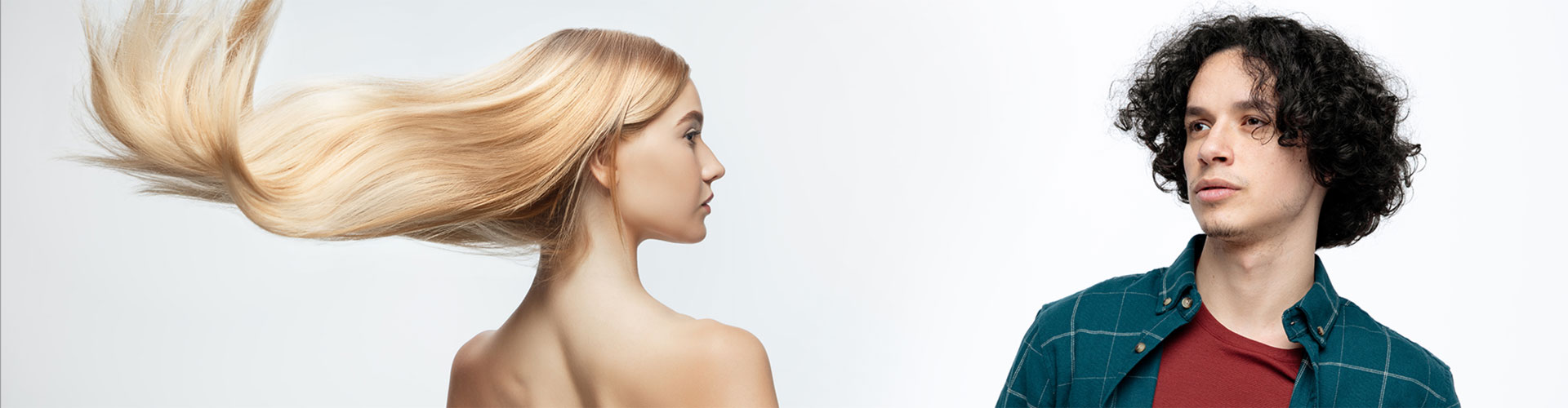
Hair system density describes how full a finished piece appears, but a percentage on an order form cannot tell a salon whether the result will blend with a particular client. Start with the client's remaining hair, the visible transition at the hairline, the size of the coverage area and the hairstyle the client actually wears. Then agree on a reference sample or photographs taken under consistent light. A natural result often uses different fullness at the front, crown and perimeter. The point is to specify the finished look and the construction that can create it, not to select the highest number in a catalog.
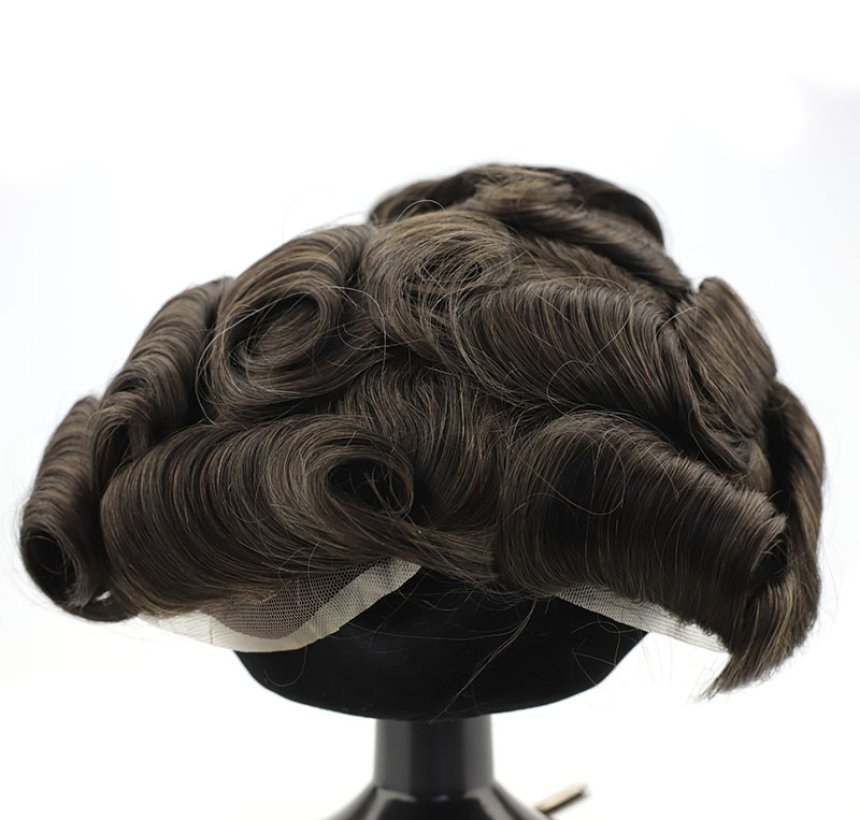
Density is the amount of hair placed into a base area. It affects how much scalp can be seen, how the hair moves, how easily it can be parted and whether the system blends with the client's own hair. Suppliers may use labels such as light, medium or heavy, or a percentage scale. Those labels describe a production target within that supplier's process. They are not a universal measurement that can be transferred unchanged between factories or base types.
In a consultation, describe density with visible evidence. Photograph the client's hair dry, in ordinary room light, from the front, crown and both sides. Identify whether the goal is to replace lost coverage, add volume or create a fuller styled look. A client with fine surrounding hair may need a softer perimeter than a client with dense hair at the sides. Record the intended parting and whether the front hairline will be exposed.
The custom hair system brief should connect this visible target to base dimensions, hair direction and fiber or human-hair specifications. Density is one part of the order, not an isolated number.
The transition between the system and the client's own hair is the first place to check. Compare the hair just outside the coverage boundary with the proposed piece. If the piece is much denser at the edge, the join can become obvious even when the color is correct. Hairline design needs separate attention because the front is seen at close range and often benefits from a gradual build rather than an abrupt wall of hair.
Next, assess the crown and parting. A client who brushes hair back exposes different areas from one who wears a side part. Ask the client to style their hair as they would on a normal day, then mark where scalp visibility is acceptable and where coverage is needed. Hair length and wave pattern change the apparent volume: a curled or textured system can look fuller than straight hair at the same production density.
Include the client's maintenance routine. A system that looks right only after extensive styling may be a poor specification for someone who needs a quick daily routine. Record these decisions before the piece is made, because a vague note such as “natural density” leaves too much room for interpretation.
The base changes how hair emerges and how visible the scalp appears. A lace hairpiece can expose the hairline and allow airflow, while mono and skin constructions create different visual and handling effects. A density target that looks balanced on one base may look bulkier or flatter on another. Review the selected base materials with the hair direction and parting before approving the order.
Ventilation method matters too. Knots, looped hair and other insertion methods affect the root appearance and how securely strands sit in the base. A salon should not assume that adding more hair will solve a visible knot pattern or an unsuitable front contour. The appropriate correction may be a different base zone or ventilation plan.
Specify density by zone when the design calls for it: front, top, crown and sides. A simple annotated diagram can prevent a single percentage from being applied everywhere. Keep the diagram with the approved sample so future orders reproduce the intended appearance rather than only its label.
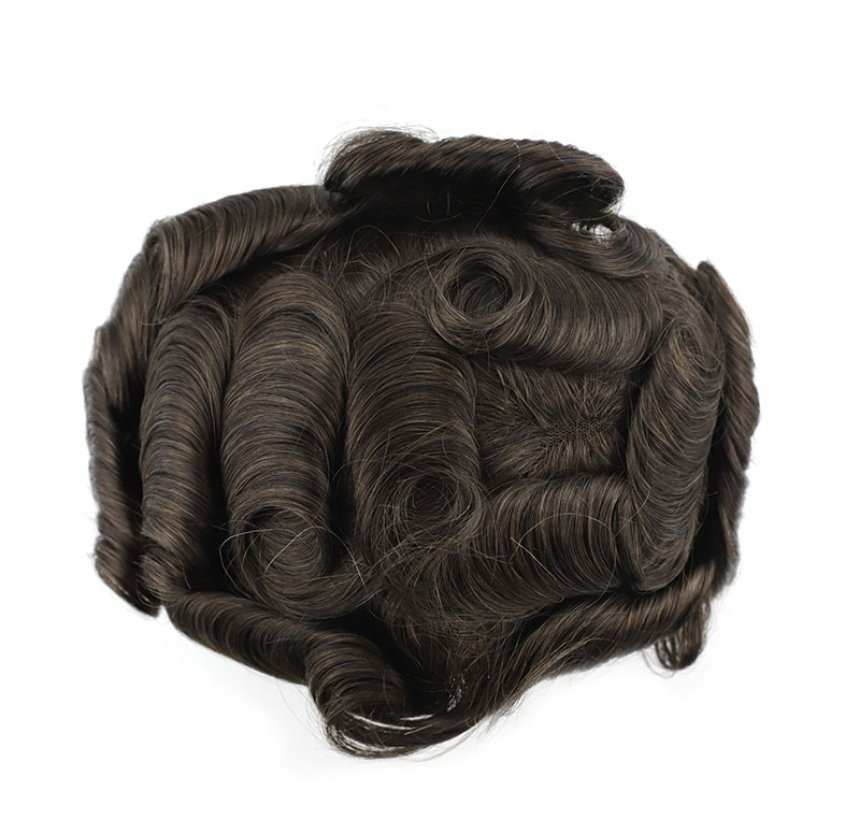
Approve the sample in the conditions that matter to the client. Place it on a correctly sized template, photograph it dry and after ordinary styling, and compare it with the agreed reference. Check the exposed hairline, crown coverage and side transition from a normal conversation distance as well as close up. Ask the client to move the hair and change the part; a still front photograph can hide an overly dense zone.
Record what was approved and what should change. “Less dense” is not enough. Note the exact region, the visual reference and whether the issue is hair amount, direction, length or base visibility. If a sample is altered by the salon, photograph it before and after alteration and state which version becomes the reorder reference.
For repeat orders, retain the approved base outline, color reference, hair length, curl or wave, parting, zone diagram and sample identifier. Recheck the client's surrounding hair at each reorder. The best previous specification may need adjustment if the coverage area or hairstyle has changed.
No. A dense piece can look abrupt against fine surrounding hair or an exposed front hairline. Natural appearance depends on the transition, base, direction and styling as well as the amount of hair.
Some pieces can be adjusted by an experienced technician, but removing hair may expose knots or weaken the intended coverage. Test a small area and document the change before treating the altered unit as a reorder sample.
Not necessarily. The front may need a softer transition, while the crown may need coverage for a parting or swirl. Specify the zones separately when the client's hairstyle exposes them differently.
Keep the supplier's density label together with photographs, a zone diagram and the approved physical sample identifier. Visual records reduce ambiguity when labels or manufacturing teams change.
Send the client's base outline, dry photographs from four views, an image of the intended hairstyle and a marked note showing the exposed hairline and parting. Include the approved sample if one exists. State hair type, length, wave, color and whether the client wants subtle coverage or visible volume.
We can use that information to discuss a zone-based density specification for the selected construction. send the reference photos with the base dimensions so the conversation focuses on the finished appearance. Retain the final sample and order record for the next fitting.
The quality of the products is the foundation of our existence!Customers'satisfaction is our permanent commitment!

Follow us on social media and find more about our hair procedures and for our latest news, photos and success stories.
TELEPHONE :+86-18765287179
WHATSAPP :+86-18765287179


© 2026 Qingdao Eminent Hair Products Co.,LTD. All Rights Reserved. Powered by HiCheng