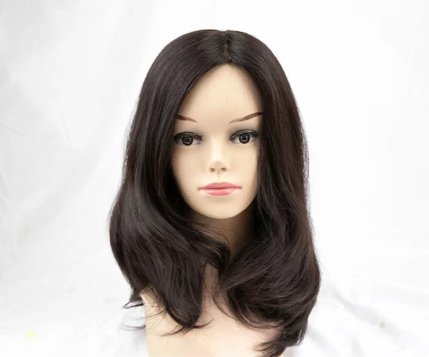
A hair system quality control checklist turns a finished piece into a verified order. Before shipment, the inspector should compare the approved specification with the actual base, knots, shedding behavior, color, hair length, density, and measurements. Each result needs a pass, hold, or remake decision, backed by photos and recorded measurements. A good-looking top view alone is never enough.
A base may match the template but carry the wrong hair direction. Color can look right under warm factory lights yet shift outdoors. The checks below follow the order an inspector can use before packing.
Use the approved order sheet, base template, color reference, density map, and pre-production sample as the inspection standard. If those records disagree, stop the check and settle the specification first; an inspector cannot judge a moving target.
Inspection point | What to verify | Release evidence |
Base | Material, shape, edge, ventilation, repairs | Top and underside photos |
Knots | Knot type, security, direction, front visibility | Close-up photos in four zones |
Shedding | Loose hair during dry comb, gentle pull, and wet check | Count or grade on QC sheet |
Color | Root, mid-length, ends, gray blend, light response | Indoor and daylight photos |
Measurements | Base length/width, hair length, curl, density map | Ruler and tape photos |
Let the piece rest after unpacking, remove the hair net, and place it on a clean block that does not stretch the base. Use a clean table, flexible tape, ruler, tail comb, white card, spray bottle, and the approved color sample.
For stock and custom work, the relevant men's hair system range shows why one checklist cannot rely on appearance alone: base construction, hair direction, and attachment design change from piece to piece.
Match the order number, client code, base design, hair type, color, gray percentage, length, curl, and density. Photograph the label beside the product so later close-ups stay tied to the correct piece.
Start with the underside. It reveals construction faults that finished styling can hide. Lay the base flat without pulling it. Compare its outline with the approved template and check the front, temples, sides, crown, and back in that order.
· Confirm that lace, monofilament, skin, or combination panels appear in the specified zones.
· Look for holes, runs, hard glue spots, puckered seams, uneven coating, lifted tape tabs, or sharp material edges.
· Check that clips, elastic, or attachment areas are secure and placed symmetrically where the order requires them.
· Hold fine material over a white card. Repairs, doubled mesh, stains, and dense knot clusters become easier to see.
Declare each repair and judge it against the buyer's standard. A repair at the visible front or an attachment point carries more risk than one inside a covered perimeter.
Measure front to back along the center curve and side to side at the widest point, using the landmarks on the order drawing. Record actual numbers rather than “OK.” For a custom hair system, compare the outline with the retained template and photograph any gap with a ruler in frame.
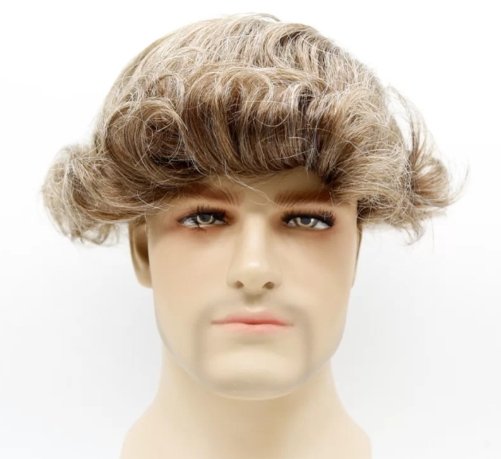
Knot quality affects shedding, movement, and scalp appearance. Check the front, top, crown, and perimeter separately; a clean crown does not prove that finer front knots are secure.
Confirm the requested knot method and whether the knots are single, double, bleached, hidden, injected, or looped in the relevant area. The exact method varies with base material. What matters in QC is consistency with the approved design. Look for loose loops, long return hairs, knot clumps, missed holes, sudden direction changes, and dark dots along a light front.
Open a narrow part with a tail comb. View it from conversation distance, then close up. A magnified photo locates faults; the normal-distance view judges visible appearance.
Comb hair forward, to each side, and back with light pressure. It should follow the requested style without a stubborn split or exposed reinforcement. Check cowlicks and crown breaks against the density map. If a free-part area was ordered, confirm its usable boundaries rather than assuming the whole base can be reparted.
A shedding test should be repeatable and gentle. Aggressive pulling damages good work and produces a meaningless pile of hair. Begin with a clean comb and an empty white surface so loose strands can be seen and recorded.
· Dry comb test: comb from the ends upward, then make several full passes from root to end. Record loose strands or use the buyer's agreed grade.
· Gentle pull test: hold a small section close to the base and draw two fingers along the hair. Repeat at the front, top, crown, and back.
· Light mist test: mist one section, comb slowly, and watch for clusters releasing from one construction zone.
· Base observation: if strands release, inspect the matching underside area for open knots, coating gaps, or torn material.
A few loose hairs may remain after trimming. Repeated release from one zone, clusters, or open knots calls for a hold. Record the location and test; “sheds too much” is not useful repair guidance.
For made-to-order pieces, the custom men's hair replacement page is a useful place to align base, knot, density, and attachment requirements before production begins.
Color inspection needs a neutral background and at least two lighting conditions. Compare the system with the approved swatch under neutral indoor light, then near indirect daylight. Warm bulbs can hide red tones; cool LEDs can make dark brown look flatter or grayer.
Check roots, mid-lengths, and ends separately. If a root shade, highlight, gray blend, or graduated color was ordered, confirm the placement and transition rather than judging the average tone. Spread several sections over a white card and a mid-gray card. Then photograph the front, crown, and back with the same camera settings.
Gray percentages can look wrong when strands cluster. Compare distribution at the temples, top, and back. For mixed colors, isolate a thin section and match the blend to the approved sample.
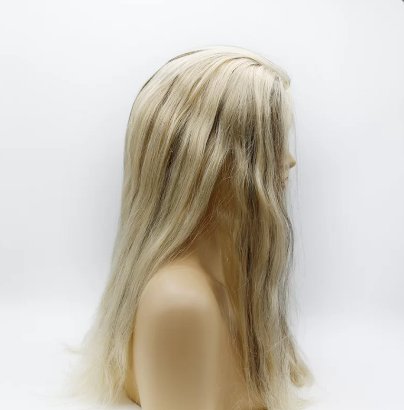
Measure hair from base to ends in its natural fall. Do not pull curls straight unless the order defines stretched length. Check several points and record front, top, crown, and back lengths when specified separately.
After the piece rests, compare curl size and direction with the approved reference. Judge density at the hairline, front, top, crown, sides, and back. Dark patches, thin windows, or a ridge at a panel join may show uneven ventilation.
Place the system on the correct block size without stretching. Check whether the center line, front contour, temple points, and back line sit symmetrically. Confirm that the finished hairstyle does not hide a base distortion. Take top, front, both side, back, and underside photos before any product is applied.
Mark each item Pass, Hold for Review, Repair, or Remake. Add the inspector, date, order number, measurements, photo filenames, and corrective action. Agree on batch sampling before production. Individually templated custom pieces should be checked one by one.
Do not retouch QC photos. Keep background, camera distance, lighting, and ruler placement consistent. Photograph borderline results twice and obtain written release. Pack only after held items are closed.
A buyer can send the order sheet and QC requirements with the inquiry so the supplier confirms inspection points, evidence, and acceptance rules before shipment.
Qingdao Eminent Hair Products Co., LTD is a Qingdao-based wig and hair system supplier. Company materials describe about 50 factory workers and roughly 500 knotting workers, with production covering different base materials, knot methods, hair origins, colors, lengths, and custom designs. Its hair manufacturing background is relevant to QC because base construction, ventilation, color work, and measurements must be checked as one order rather than separate features. Buyers should still agree on written specifications, samples, tolerances, and photo evidence before a bulk shipment.
A hair system quality control checklist should follow the product from the underside out. Verify identity and specifications first. Inspect the base without stretching, review knots by zone, run controlled shedding checks, compare color in neutral and daylight conditions, and record every measurement. Finish with fit, symmetry, photos, and a clear release status. This process catches faults while they can still be repaired and gives both buyer and supplier a shared record of what was approved for shipment.
The following questions address common inspection decisions before packing and shipment.
It should cover order identity, base material and shape, knots and ventilation, shedding, color, gray distribution, hair length, curl, density, finished measurements, fit, symmetry, photos, and a final Pass, Hold, Repair, or Remake status.
Use a clean comb, a white surface, a gentle finger pull in several zones, and a light mist check. Record where loose hair appears. Repeated shedding from one area or open knots should place the hair system on hold.
Compare roots, mid-lengths, and ends with the approved sample under neutral indoor light and indirect daylight. Check gray and highlight distribution by zone, and keep camera settings consistent for QC photos.
Measure the base front to back and side to side without stretching, using the landmarks on the approved drawing. Compare the outline with the retained template and photograph any difference with a ruler or flexible tape visible.
Individually templated custom systems should be checked one by one. For repeated stock pieces, buyer and supplier can agree on a sampling plan, but any failed sample should trigger a wider inspection under the agreed QC rules.
The quality of the products is the foundation of our existence!Customers'satisfaction is our permanent commitment!

Follow us on social media and find more about our hair procedures and for our latest news, photos and success stories.
TELEPHONE :+86-18765287179
WHATSAPP :+86-18765287179


© 2026 Qingdao Eminent Hair Products Co.,LTD. All Rights Reserved. Powered by HiCheng